Back to Basics

Image from Flickr by yiorgos georgiou

Image from Flickr by yiorgos georgiou

Last week was scary. Not because a 6-foot tall Grim Reaper jumped from the shadows of my neighbor’s porch and hissed at my children (that was actually pretty great), but because I experienced a serious case of writer’s block. And I’m under contract.

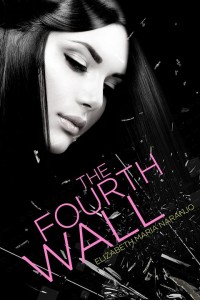
When I received my initial round of edits on The Fourth Wall, I was ecstatic. This is the part, I’d been told, that hurts the most. These are the “big picture” changes, when you have to delete major characters you’ve invested years in, when your favorite scenes are gutted, when you’re asked to rewrite an entire novel in a different point of view (my worst fear).

None of that happened. My editorial letter had lots of suggestions, but the big ones involved adding to the book. This makes sense; I do write flash fiction, after all. Everything I’ve published thus far has been short; most of it was written to a word count: 500 words, 1,000 words, 250 words. When I sent my novel off to WiDo Publishing, it was a trim 45,000 words, and even that seemed indulgent.

Wow, so I get to write more, I thought. No problem!

Here’s the problem. I wrote The Fourth Wall three years ago. Since then, I’ve tinkered with it: plugged up holes, rewritten dialogue, added depth to characters, extended scenes . . . but I couldn’t remember when I’d last added new scenes. Where would they go?

I scrolled up and down the manuscript, trying to see what could be split apart to make room for new material. I typed pages of notes. But I couldn’t see. And that worried me, because without knowing what to write and where to put what I did write, I wasn’t excited about writing at all.

I was stuck.

Time to try something else. On Sunday, I printed a hard copy of my novel, spread out the pages, and began writing notes by hand. I crossed out sentences and scribbled in margins, and soon the only difficult part was keeping up with the ideas.

Somehow, the physical act of holding paper and writing with an actual pen made me feel more in control. And it’s easier to slash through paragraphs on a page, because it doesn’t feel permanent. Yeah, you can create a new document and know your old one is intact somewhere on the computer, but it’s still hard highlighting a paragraph, hitting “delete” and watching it disappear.

Since Sunday, I’ve added 3,000 words to my novel, and more importantly, I’m excited about the new material. It feels like it did when I was writing the first draft; I’m so fully immersed in my characters’ world that I’m jotting notes in bed, at the dinner table—stealing any moment I can. I’ve been waking up at four in the morning, for God’s sake, and I’m not one to emerge from under the covers until the third snooze alarm.

This is when being a writer pays off. When you can reclaim the pure joy of creating something, when you stop and realize, “my job is making up a fictional world and filling it with make-believe people, and dammit, that’s supposed to be fun.”

And it is. In fact, I think I’ll go back to work now. You’ll overlook any typos in this post, won’t you? I’ve been up since four.

Bring It On

November Moon by Dead Air

November Moon by Dead Air

Most writers work best when pushed to the wall. The deadline is definitely our friend. Which is good, because this week I got the email I’ve been waiting for: my editor has started reading (the novel formerly know as) The Fourth Wall.

This will be the first round of a four-part editing process, and somewhere around the halfway mark, I’ll let you know my publication date. (!!!)

Knowing it would take some time to get to this point, I’d taken on a few more projects:

  • Preparing lesson plans for an essay writing class I hope to start teaching in November.
  • Accepting a surprise invitation from a renowned local artist to perform at Space 55 in November.
  • Signing up for NaNoWriMo because look! November’s almost here! Might as well commit to cranking out 50,000 words on my WIP.

Did I say I was excited to get the email about edits on my novel? I am. And it looks like I’ll be starting those edits around the beginning of . . . you guessed it. November.

Yes, I’m a bit overwhelmed. Yes, I’m smacking myself on the forehead, wondering what I’ve gotten myself into. I know you all would forgive me for skipping a few posts . . . but I’ve gotten used to posting on Fridays, and I can be stubborn. So you’ll probably still see me in your inbox each week, although the next four posts may be shorter. 😉

Wish me luck! As for you, November, all I can say is “Bring it on.”

Seeing Red? How to Respond to Your Editor

First, breathe.

It’s not easy being edited. When you first view your work with an editor’s changes/comments/criticisms, there will be a moment when your heart freezes, and then it will start to burn. This is normal. Do not respond.

Throughout the day, you will compose imaginary emails and engage in silent conversations where you defend your art against the insult of Track Changes. Because obviously this editor just doesn’t get you. You meant to be evasive in paragraph two; you wanted to sound ironic in your closing phrase.

Go ahead and rant silently. Your children may stare in confusion as you mutter and burst into occasional mirthless laughter, your spouse may disappear into the bathroom. They know you’re a writer, that you’re a little strange sometimes. They’ll forgive you.

As the evening goes on, you’ll whittle down your editor’s suggestions to the ones that bothered you most; they’ll play over and over again and the thought of implementing them will make you feel like crying. Pay attention. These are the changes you have to make.

The others, the ones that don’t hurt or merely sting, will categorize themselves:

  • Confirmed—I knew that sentence didn’t feel right.
  • Enlightened—I didn’t realize this wasn’t clear, but I see the problem.
  • Embarrassed—Did I actually write that?
  • Opposed—I see what she’s saying, but this phrase is important.

It may take a few days to get to this point. Wait until you’re there. If you have to, send your editor a polite email explaining that you’re reviewing her comments and working through them. She’ll understand.

When you can think of her with gratitude (she did save you from using the word “just” three times in one page) and remember that she wants your work to be its absolute best (it is also a reflection of her, after all), then you’re ready to respond.

While you’re drafting your reply, don’t be surprised to realize that out of the dozen changes you thought you couldn’t live with, there are now only two.

And when she answers you, don’t be surprised if she says, “I can live with that.”

What’s your experience working with editors? How long do you wait to respond?