Everything Counts

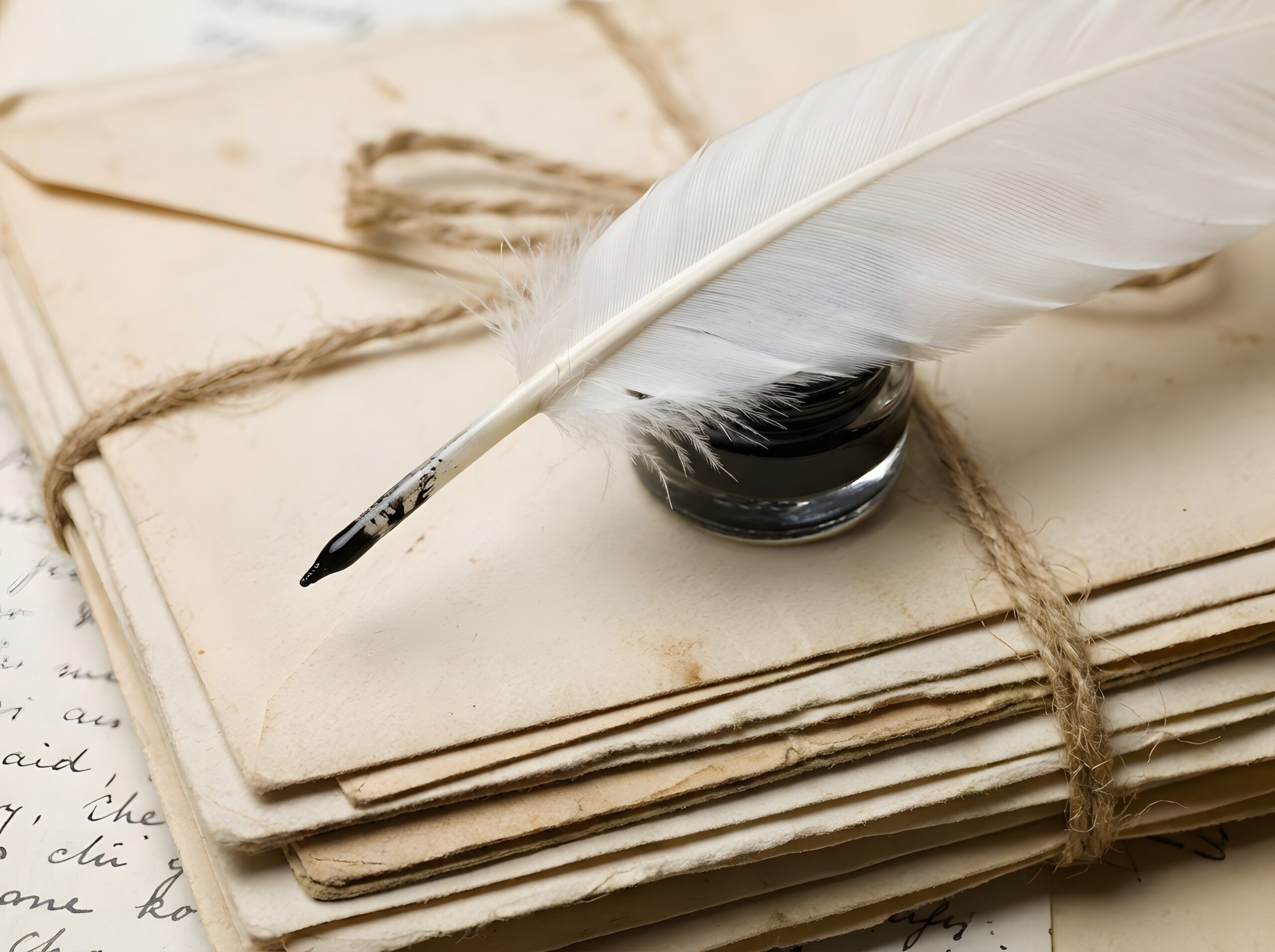
Image by Orna from Pixabay

A recent article in Literary Hub explored the phenomenon of super-readers, those extra-devoted bookworms who read anywhere from one hundred to several hundred books a year. How do they manage this staggering output? Are they speed-readers? Are they all retired empty-nesters? Where do they find the time?

The author of the piece asked these questions to over a dozen super-readers, defined as those who read a minimum of one hundred books per year (audiobooks not included), making sure to exclude those who read for a living. She whittled down their habits to five recurring patterns, one of which is

They read in the margins of life. 

Aside from being quite poetic, I found this method especially interesting because it can also be applied to writing. Most of the people interviewed for the article have full-time jobs and families. They’re able to finish so many books a year partly because they carry books with them and read in fragments of time—in doctors’ offices, on lunch breaks, on the bus, before bed. 

Many writers also have full-time jobs and families. They may only be able to finish their books by carrying notebooks with them—jotting down ideas on their lunch breaks, working out plot holes while waiting in lines, drafting a page or two in that quiet slice of morning before work and in the bleary and often bone-tired moments before bed.

Those fragments of time accumulate quickly. Eventually, they’re bound to add up to a whole book—whether that book is being read, or whether it is being written. Like the article points out, “Five minutes count. Ten minutes count. One chapter counts.” 

Everything counts.

Can You?

Image by Peter H from Pixabay

As a lifelong Stephen King fan, I have a handful of the master of horror’s books in regular rotation. In any given year I’m likely to reread The Stand, Pet Semetery, Firestarter, Different Seasons, It, or The Shining, just to name a few favorites. Despite the darkness of the stories, they feel like comfort reads to me, probably because they lead me down that irresistible and shadowy path into the past where I first discovered them. For some reason though, it had been decades since I’d reread Misery

That’s easily remedied, I thought back in March as I was searching for the perfect book to wrap up a lovely spring break. I still have my copy from the 90s, an old mass market paperback with a torn cover and yellowed pages, although I had to steal it back from my daughter (Misery’s the one Stephen King book she’s read, and she adored it so much I think she’s afraid nothing else will live up to that standard). After plucking it off her bookshelf I settled in to reacquaint myself with the story, which I did with immense pleasure and predictable nostalgia on sunny days in the shade of my porch and long evenings propped up against my wedge pillow, sipping coffee (teacher breaks really are the best). 

A few things surprised me about Misery. One is that, at 340 pages, the novel is uncharacteristically short. Another is that it is an absolute treasure trove of authorial insights that I can appreciate now in ways I wouldn’t have been able to before; after all, the last time I read the book, I hadn’t yet written one of my own. 

For those unfamiliar with the story, the main character Paul Sheldon is a famous author who gets rescued from a car crash by his number one fan, who proceeds to kidnap him and force him to write a book just for her. In doing so, he must revisit a series he’d put behind him and resurrect a character he’d previously killed off, all while suffering the excruciating pain of two shattered legs and the constant terror of disappointing his sadistic captor. 

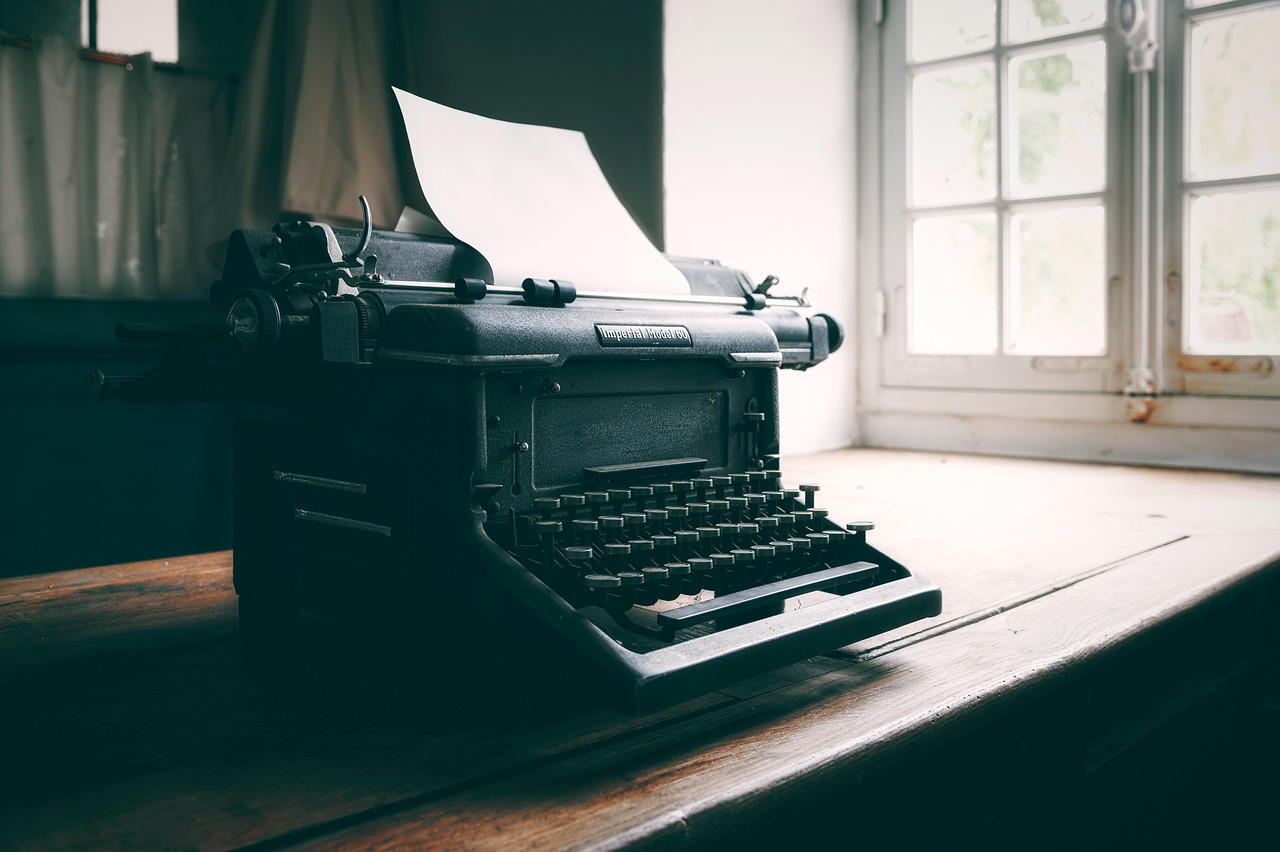
That’s way more pressure than I’ve ever faced with a mere deadline, yet the ways in which Paul struggles with the work are universal to writers. He has several false starts. He types a chapter heading and stares at all of the white space below it. He gets ideas and then rejects them. He begins to feel like the typewriter is mocking him. Paul is stuck, frustrated, desperately trying to figure out how to bring a character back from the dead in a way that feels fair

And then he remembers a game he played as a young boy in summer camp, where the kids would sit in a circle and tell a story, led by the camp counselor. The counselor would introduce the main character and set a scene which immediately put him or her in danger. Then the counselor would choose one camper, say, “Can You?” and start a ten-second timer. In that time, the camper had to further the narrative, which included getting the main character out of whatever dilemma they were in. Some kids would go blank; some would try to cheat by using a deux ex machina. Those kids had to leave the circle. The ones who managed to advance the plot fairly got to stay in the game.

Paul remembers how he almost always won. Something in him—that quality that would lead him to becoming a prolific best-selling author—drove him to embrace the challenge, to furiously work out the plot in a race against the timer. And so, in the room where he’s being held prisoner and forced to write a book from a premise that feels impossible, he asks himself the question: Can You? And he does.

Anyone who writes novels can relate to the inevitable and seemingly insurmountable plot issues that come with drafting hundreds of pages of a manuscript. At some point your story is going to stall. You get tangled up in narrative threads. You get lost in the weeds. You write yourself into corners. You begin to doubt everything. You want to give up. But that question persists—refusing to leave you alone, following you every waking moment and into your dreams, a challenge, a taunt: Can You? 

Of course you can.

Unexpected Gifts

Image by Couleur from Pixabay

Once or twice a year I’m reminded powerfully why writing and sharing our stories is so important. Usually the reminder is in the form of an email sent by a stranger. I can’t express what these unexpected gifts in my inbox mean to me. They often seem to come at a time when I need them most. 

I received one in January from a reader who’d discovered an essay I’d written in 2017. The essay, published in Motherwell magazine, described the period in parenthood when one of your children begins to outgrow the other. When I wrote the piece, my daughter was fourteen and my son was nine. She was navigating high school, he was still in elementary. Their once-shared path through childhood had diverged. 

Readers left comments throughout the years—sometimes older siblings, sometimes younger ones—each quietly devastating. But the email I received last month was from a mother. She was going through the same dilemma with her children, who were around the same age as mine were all those years ago. It was the most heartbreaking time she’d experienced in parenthood so far, she said. She wanted to know how it had turned out with my kids, who are now adults. 

It took me nearly an hour to draft my response. I wanted to say the right things. I wanted to acknowledge the fact that she’d reached out with a very personal story and let herself be vulnerable. Mostly, I wanted to give her hope.

Just like her email had given me hope. That we need each other’s stories. That they’re worth writing. That capturing something painful and sharing it can, nearly a decade later, continue to help others feel a little less alone. 

Creativity, Connection, and Hope

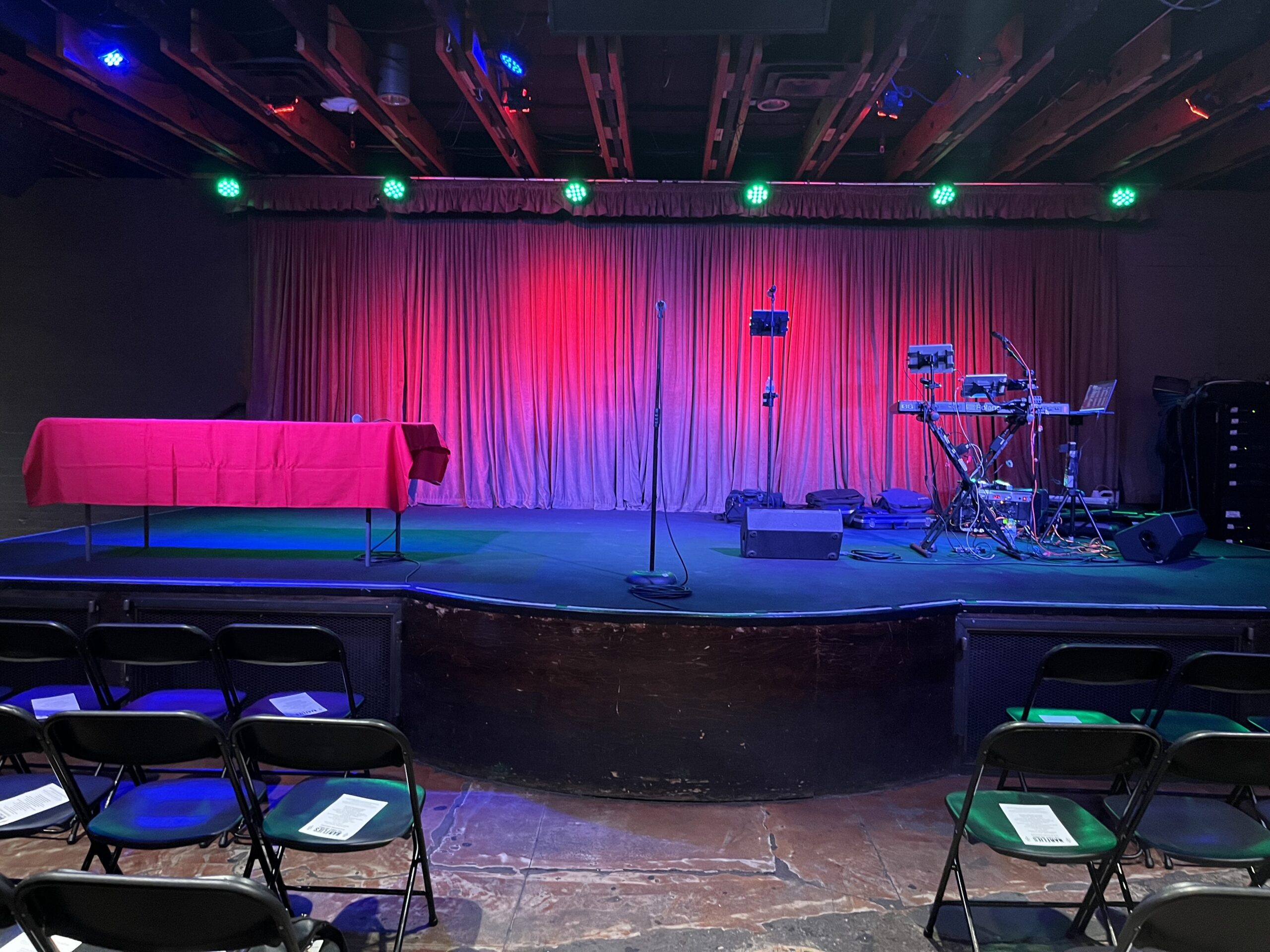
Crescent Ballroom in Phoenix

Before setting new goals, it’s important to look back at accomplishments and take a moment to celebrate them. I didn’t do everything I wanted to do in 2025, but I held on to my publishing streak (thirteen years running!) and restored the balance in my writing life that I’d vowed to focus on this time last year.

In that post from what feels like a lifetime ago, I wrote about the fact that I’d spent a year focused on my cozy mystery series and I needed space to imagine whole new stories, time to edit, publish, market, write, and time to just dream.

Mission accomplished. My writing stats from 2025 include drafting four new stories and one new essay, adding over 10,000 words to my current novel, blogging every month (except May), submitting work to three literary magazines (one successfully!), entering a contest, publishing a new motherhood piece, and performing in a spoken word event in December.

The last one is particularly meaningful. In April, I talked about the importance of having a writing community and how I felt I’d lost mine. Not being on social media makes it difficult not only to keep in touch with others but also to stay in-the-know about literary events. I hadn’t stood on a stage and read my work to an audience in over seven years.

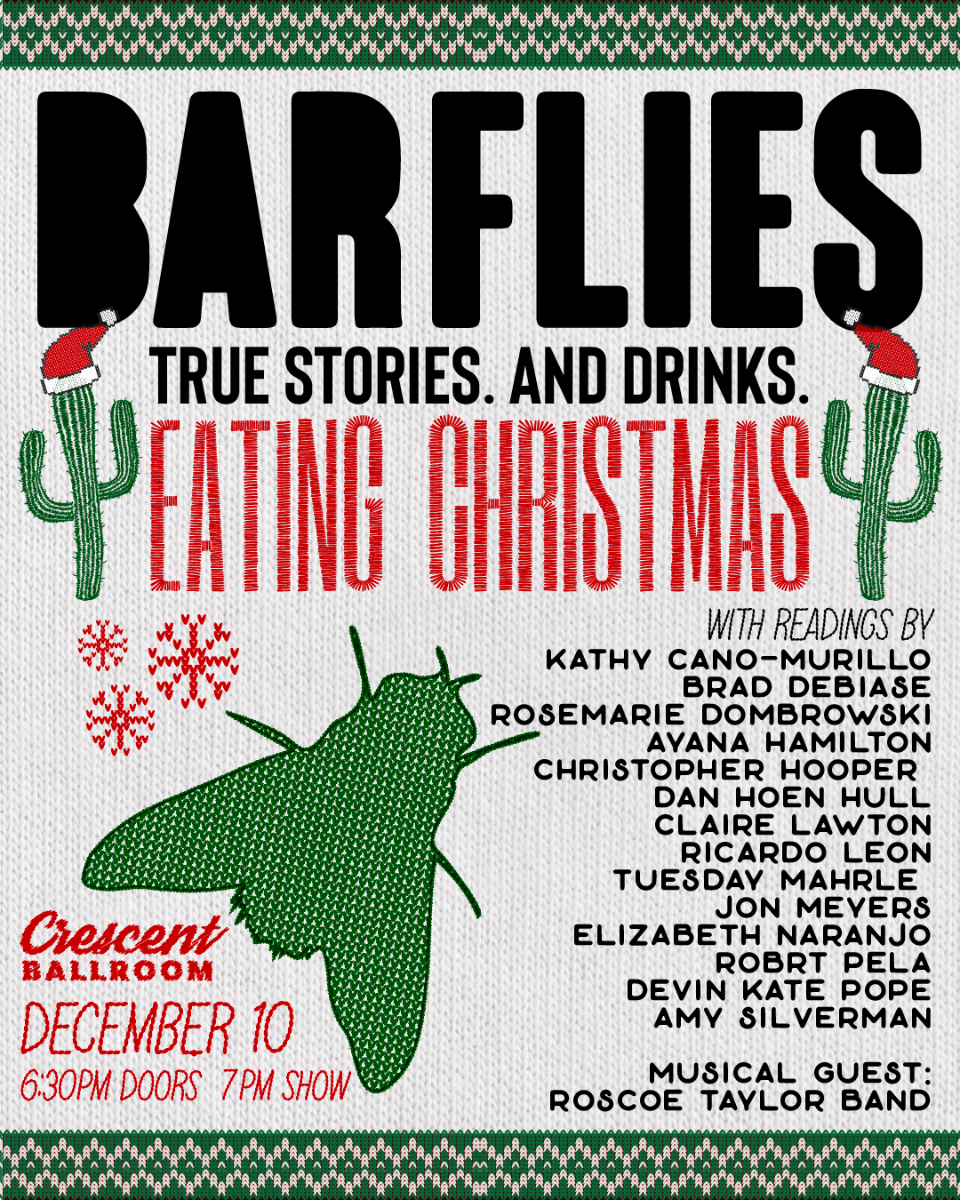
In keeping with my resolution to stay more connected, I reached out to some old friends via email and was happily invited to participate in Bar Flies’ annual Eating Christmas public reading at Crescent Ballroom. It was lovely to see familiar faces and hear amazing stories, and to feel those once-familiar butterflies as I crossed the stage holding the pages of my new essay.

I have high hopes for 2026. I hope to stay connected, and to cross more stages. I hope to stay creative, and to write my heart out. There are so many stories to tell. Along the way, I’ll post here once a month and keep you updated. You didn’t think I was going to forget that, did you?

An Early Christmas Gift

Courtesy of Amy Silverman

‘Tis the season to be grateful, and this November I have an extra-special reason: I was thrilled to receive an invitation to read an essay at the annual Bar Flies: Eating Christmas event!

On December 10, I’ll be taking the stage with some of my favorite Valley writers, including Robrt Pela and Amy Silverman, and sharing a true holiday-themed story.

If you’d care to join us at Crescent Ballroom in Phoenix and enjoy some great stories, music, and drinks, get your tickets now! It would mean the world to me to see you there.

Happy Holidays, everyone!

Don’t Hide Your Dreams Away

Image by Steve Johnson from Pixabay

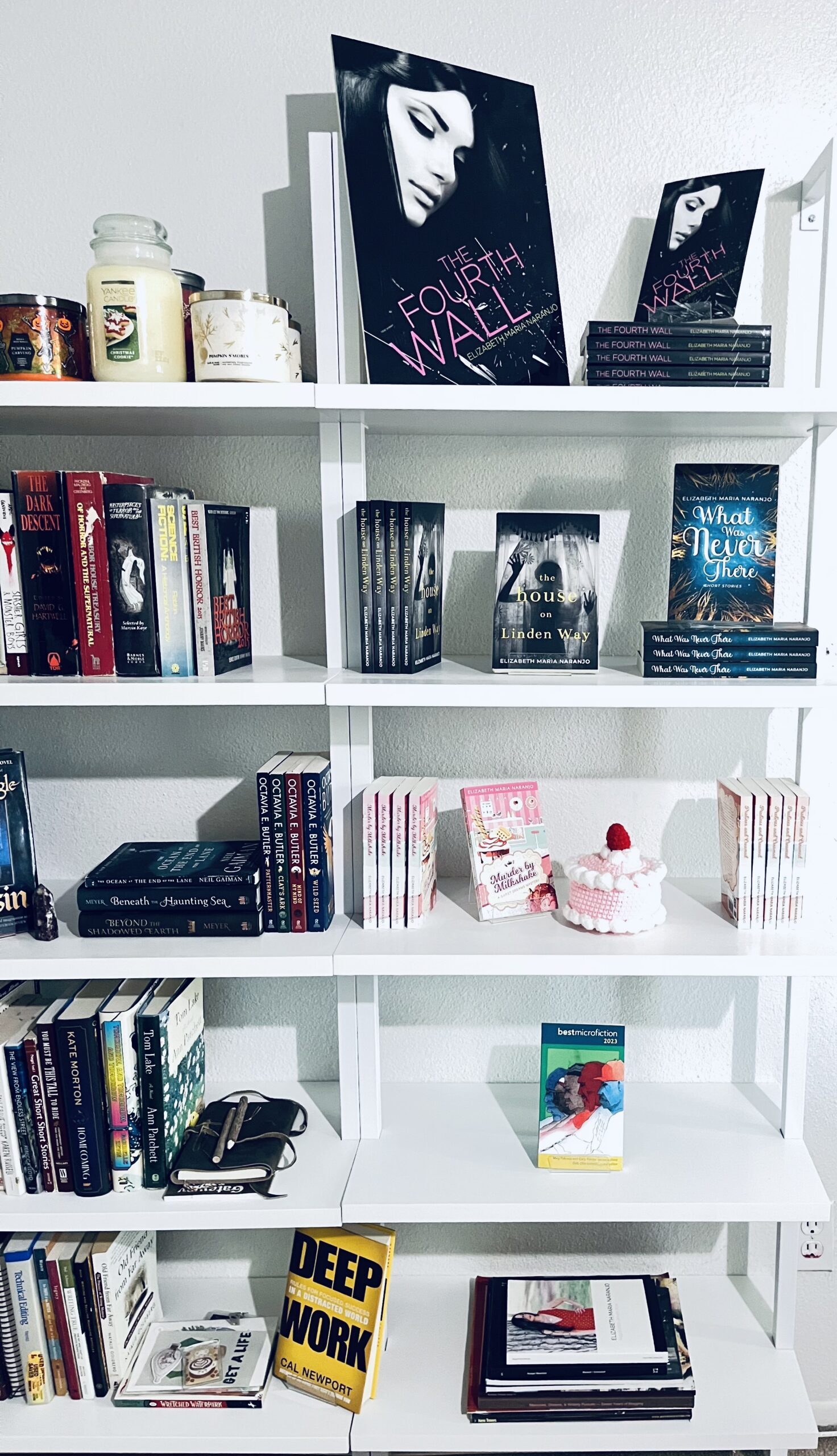
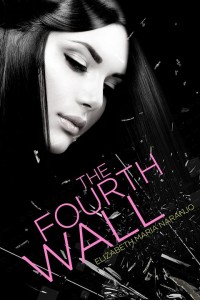
A few years ago I was cleaning out my closet and decided to dedicate a shelf to my writing. I dusted off my Fourth Wall poster board and stood it upright. I unpacked boxes of author’s copies of the books I’d published and lined them up with the poster. Next to those I added all of the anthologies I’ve been featured in over the years. 

It never occurred to me why I’d chosen a shelf in the closet.

When a local author shared a photo recently of an entire bookshelf she’d devoted to her own novels, I stared at the picture in wonder. I felt a surge of happiness for her—what a beautiful tribute to her accomplishments!—and then I felt a crush of sadness for me. Why had I chosen a shelf in my closet?

Failing to celebrate our achievements is unfortunately all too common. Perhaps it’s an effort to be humble that makes us silence our own success. Humble is a complicated word, however. Synonyms range from respectful to submissive. From deferential to insignificant. Gemini’s oddly poetic definition is “to be not proud.” 

But I am proud. I just need to get better at showing it.

So last weekend, I emptied the shelf in my closet and dusted off that poster board again. Then I rearranged my bedroom bookshelves and created a prominent display of my published work. It’s one of the first things I see in the morning when I wake up, in the afternoon when I get home, and at night before I drift off to sleep.

It’s a start.


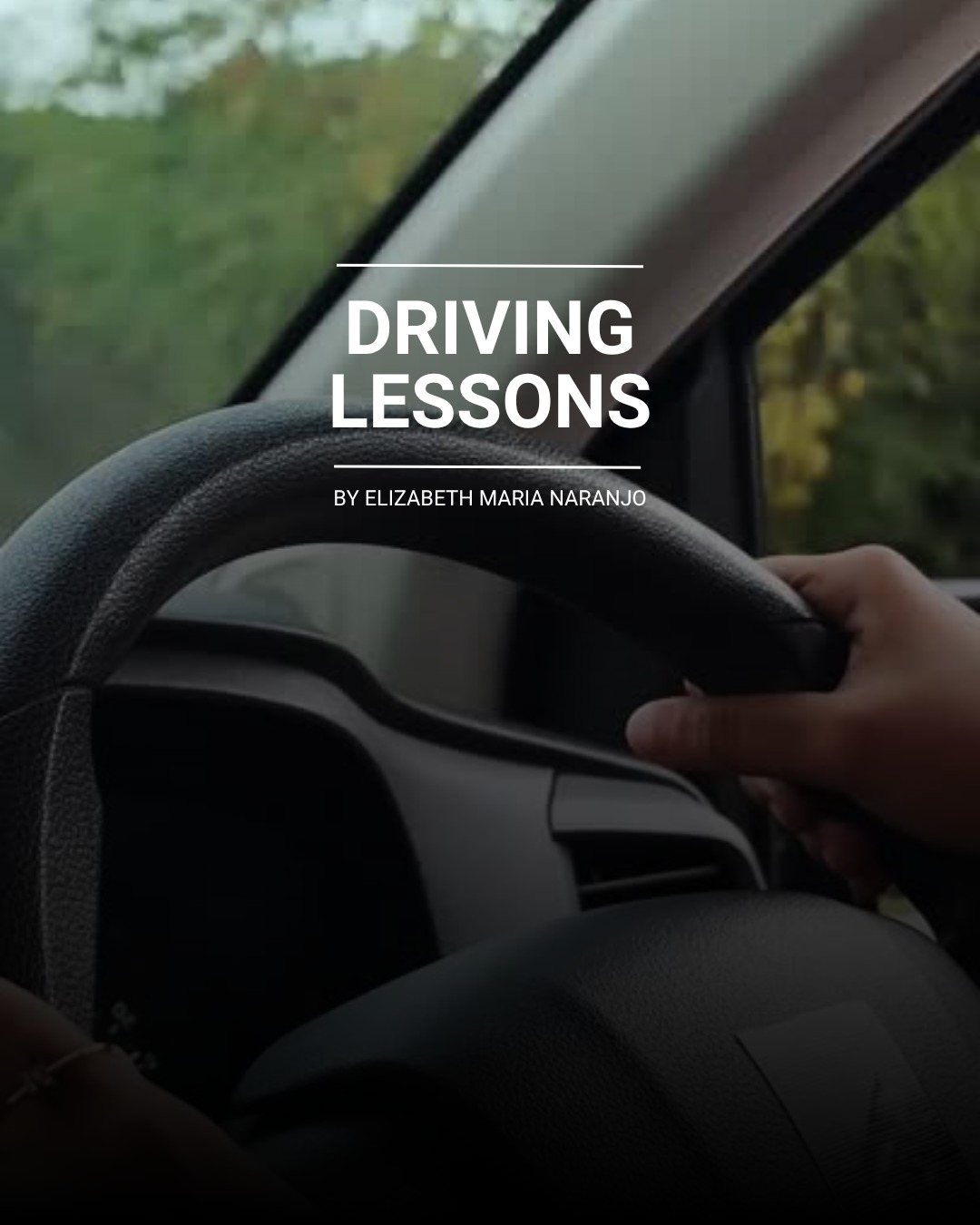
Read “Driving Lessons” in Five Minute Lit

Image courtesy of Five Minute Lit

My son turned eighteen on May 28, the same day this piece was published in Five Minute Lit. Another year gone by. Another milestone. They are adding up to one long road, and it’s sure to be a little lonely. Such is parenthood.

As always, thanks for reading.

Blogging Like It’s 2009

Image by Sophie Janotta from Pixabay

The owner of WiDo Publishing, Karen Jones Gowen, recently shared a post lamenting the absence of writer blogs, which were once so prevalent in our community. The sense of loss expressed in Gowen’s post is relatable; I think many of us miss visiting other authors’ personal blogs that chartered their journeys and processes. In exploring this topic, Gowen presents a list of questions she’d like to ask her fellow writers, the kinds of questions so often answered in those blogs of old. With her permission, I’ve copied the questions and answered them below, and any writer reading this is invited to do the same!  

Karen Jones Gowen and her family established WiDo Publishing in 2007 and have released over one hundred titles (including this one by yours truly). She is the author of eight books herself, which you can find here

Are you excited about the idea of people reading your work, or would you rather keep it private? 

I’m excited about people reading my work! It wasn’t always that way though. Before I published anything, I kept all of my work private. I was insecure about sharing my writing, afraid I only thought I was a good writer. The imposter syndrome was real. Then I took a workshop, and the positive and encouraging responses I received from my fellow workshoppers boosted my confidence. I began publishing regularly at that point. 

Do you have an audience in mind when you write?

Usually, no. When I’m drafting, I try to stay true to my own ideas and not let things like marketability get in the way. Once you start thinking about an audience, you start editing yourself, and editing shouldn’t be a part of the drafting process. 

Have you always wanted to write a book? 

Yes! From the time I was little, I imagined myself as an author. I was a child who loved to read, loved stories and disappearing into my own imagination. I filled countless notebooks with poems, short stories, and the beginnings of many novels. Finally, in my thirties, I wrote my first book, and a few years later WiDo Publishing offered me a contract.

If you have written your book, do you feel satisfied with it or discouraged and disappointed?

I’m proud of every book I’ve written. Last year, I reread my debut, The Fourth Wall, wondering if I’d feel differently about it as it was released ten years ago. But I still love it. There’s nothing I would do differently. I feel the same about my subsequent novels.

How many forms of writing do you like to do? For example, journaling, poetry, blogging, fiction, personal stories or memoir? 

All of the above! I journal daily, blog monthly, and have published numerous pieces of short fiction and memoir, along with several novels. 

Is your voice the same regardless of the format?

That’s an interesting question. Honestly, no. My cozy mystery novels have a different voice, as they’re written in a more commercially appealing way. They’re lighthearted and funny, whereas my usual work is more melancholy and literary. 

If you have published a book, what do you think determines how well it sells?

I wish I knew! I’ve never published a book that sold particularly well. Probably no one really knows what makes one book more successful than another in terms of sales. I think a lot of it is luck and timing. 

How do you feel about critical reviews? Do you shrug and move on or do they devastate you?

I don’t mind critical reviews at all. In fact, as a reader, I always check the 3-star reviews on books if I’m looking for an honest and well-rounded opinion. As a writer, I definitely prefer the 5-star reviews, but all are appreciated!   

Do you feel that book publishing only counts if it’s done in a certain way, such as through an agent or a particular publishing company?

Nope. Writing a book is a huge accomplishment, and whether it’s traditionally published or self-published, it’s something to be proud of. Everything counts.

The End of Kindle Vella

Image by Guilherme Gomes from Pixabay

In October, Amazon announced they were shutting down Kindle Vella. The serialized story platform launched in July of 2021, offering an exciting new way for authors to self-publish their work—one episode at a time.

Unfortunately, the idea never really took off. There have been numerous articles theorizing why, so I won’t do that here. Instead, I want to pay tribute to the platform that inspired me to take the plunge and begin self-publishing. I want to talk about the rewards of taking risks, and how Kindle Vella changed everything for me.

When Amazon announced their plans for Vella in April of 2021, I was the author of one traditionally published novel and several more that didn’t seem to fit anywhere—mostly, they weren’t long enough. Amazon’s new site was built for short fiction though—it was even in the name (Vella is short for novella). 

After reading the details, I thought, This is perfect! I’d been considering self-publishing my cozy mystery series for some time, but the costs and complications of book formatting and book covers stopped me. Kindle Vella solved these problems. I could simply cut and paste chapters into the text editor; they automatically formatted. For the cover I just needed one good photo; Vella did the rest. 

I decided to try it out, preloading the first Sweet Dreams book in anticipation for the July launch. When Vella went live that summer, I was shocked to see Murder by Milkshake promoted on the front page—one of twenty-five Featured Stories chosen among thousands. It was a thrill being a part of that early excitement, and I won’t lie, I made some pretty good money.

Emboldened by Murder by Milkshake’success, I uploaded my gothic suspense novel, The House on Linden Way, as well. But it didn’t take long to realize I wanted more than the online platform could offer. I wanted to hold my books in my hands and page through them and display them on bookshelves. Eventually I pulled my stories from Vella and published them on KDP instead.

Although I didn’t stick with Vella, I’m grateful to the platform that pushed me out of my comfort zone and into the realm of self-publishing. The serialized format was a lot of fun to work with, and I made enough money to purchase my own formatting software and commission my first book covers. Looking back, I’m so glad I didn’t hesitate when the chance came along to try something new. Even if it didn’t last.

So long, Kindle Vella.

A Great Start to 2025!

The Pralines & Creamed reviews tour wrapped up earlier this month, kicking off another year of Sweet Dreams! I am so grateful to everyone who’s read and reviewed the first two books of my cozy mystery series. Check out some of the reviews below, and then head over to Women on Writing to enter the giveaway for a print copy of Pralines and Creamed.

Good luck!

Linda says: 

A lovely young adult read. Elizabeth seems to be able to conjure up a scene in words so perfectly—from the ice cream parlour menu to the book signing atmosphere—I was salivating at the sweet dreams dessert descriptions! This story is a lovely mixture of sweet boy/girl romance, a mystery, some detective work—and a definite lesson in that things are not always as they seem. An easy reading story with enough gumption and twists to hold your attention throughout.

Elizabeth says: 

I really enjoyed this mystery! It was a great read on a chilly winter day. The descriptions of the different foods had me craving an ice cream sundae, and the quick thinking and fun personality of Genevieve kept me interested throughout the entire book! It was a great sequel to the first, Murder by Milkshake, but if you didn’t read the first book you can still enjoy this one without missing any information. I really loved the way the mystery was solved, and of course Butterscotch helped save the day! If you’re looking for a feel good mystery, this is the book for you! I can’t wait to read more from Naranjo!

5 stars (https://www.goodreads.com/review/show/7054098093)

Lily says:

I was so excited to return to Pinewood with Genevieve and friends, and Naranjo didn’t disappoint. It might be getting chilly here, but this cozy mystery will have you intrigued and craving ice cream all at once. Pinewood just feels like the ideal small town, until you get a little closer and see the tension running along beneath the surface. This time it’s a mystery right out of a book (literally), but that doesn’t make it any less intriguing. I got so wrapped up in trying to solve the mystery alongside Genevieve and Brandon that I lost track of time more than once. I loved getting to know both of them a little better, and seeing them work together to try and clear Brandon’s dad’s name was heartwarming. I can’t wait to see what new mystery will pop up in Pinewood next, and I must admit I’m a little disappointed I can’t visit Pinewood or any of the shops irl! A final note – although this works fine as a stand-alone, I highly recommend reading book one too, as it’s just as sweet and mysterious as this installment.

5 stars (https://www.goodreads.com/review/show/7062030404)

Don’t forget to enter the giveaway!