One Simple Resolution

Image from Flickr by shutterhacks

Image from Flickr by shutterhacks

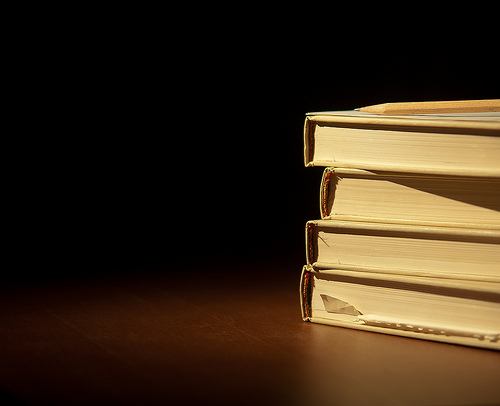
My New Year’s resolution has nothing to do with writing. Well—not directly, anyway. It has to do with reading.

About 2 ½ years ago, my cell phone died. I visited the Verizon store, tugging on phones attached to cables, tapping screens, pushing buttons, looking for the perfect match. When I found it, I waved the customer service rep over and told him I’d like “this one, without the data plan.”

“Um—this one doesn’t come without a data plan.”

“Well, which one can I get that doesn’t have a data plan?”

“You mean—you just want a talk/text phone?” He seemed dubious. This was apparently not a common request.

“Yes, just a regular phone. Without the Internet.”

He steered me to a lonely corner, where a sad little flip phone awaited, like the orphan who knows he will never be chosen.

I ended up with an iPhone. A $30 data plan. The world at my fingertips. And, just as I’d feared, an irresistible, time-sucking device. Coveted moments at night–when my son has drifted off to sleep and I lie burrowed in quiet comfort–used to be reserved for reading novels; now it was time spent scrolling through writerly blogs, parenting ezines, online literary magazines, Twitter feeds, Facebook, and Yahoo! News.

It’s still reading, I told myself. Essays, short fiction, very important news, advice, interviews, information.

But it’s not the same. There’s no substitute for reading books, and I’m not reading enough of them. It’s not my iPhone’s fault, or technology’s, or Twitter’s—it’s my fault. I’m horribly undisciplined when it comes to time management. My contract is up, and soon I may just go shopping for a feature phone. I hear they’re in demand lately.

As for my New Year’s resolution, I’ve committed to reading one book per week, starting with Neil Gaiman’s The Ocean at the End of the Lane. It’s January 1, two in the afternoon, and already I’m on chapter four. This should be an easy resolution to keep.

In Good Company

I didn’t set out to write a YA novel. I just wanted to write a book. Afterwards at a conference, when asked to identify the book’s genre, I proudly declared it “literary fiction.”

The panelist groaned. “Oh, don’t call it that,” he said. “When you say ‘literary fiction’ people’s eyes will roll back in their heads.”

I thought that was pretty funny, and it knocked me off my high horse, but I didn’t know what else to call the book. After some research (hint—do this before you write a book, not after), I knew I’d written a young adult novel.

But I didn’t want to admit it. Why? I’ll tell you—only please don’t judge me too harshly.

I was afraid I wouldn’t be taken seriously.

There are many people in the literary community who look down on the young adult genre. They were practically salivating when J.K. Rowling’s adult novel debuted, couldn’t wait to tear it to pieces—believing an author who writes “for kids” can’t write for adults as well. (Anyone who believes this really needs to check out Maile Meloy.)

I imagined the thin, condescending smiles on faces of other writers who asked what kind of book I’d written. “Oh. A young adult novel. Are there vampires in it?”

It’s such a narrow and misguided view that it shouldn’t bother me, but like most writers I’m rather thin-skinned and sensitive to criticism.

Which is my problem. And I’m so over it.

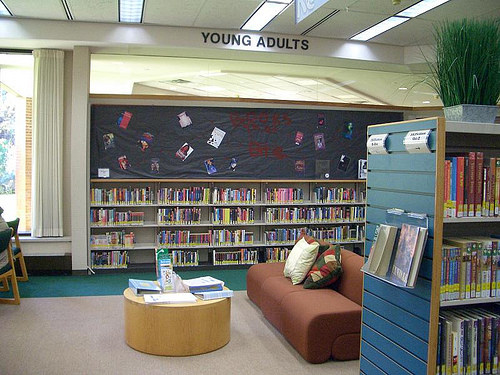
Because while perusing the YA section in a bookstore a few months ago (one worker told me to hang on while he found someone else to help me, because he doesn’t read anything in the YA section), I came across these:

The Last Unicorn, by Peter S. Beagle. Oh, my. How had I not discovered this yet? I bought it and read it aloud to my son over the next several weeks. If only I could write an entire novel this lovely and perfect . . .

Something Wicked This Way Comes, by Ray Bradbury. A huge inspiration. I used this as a comp title for my novel since it’s also written in third person and incorporates an adult point of view (rare for young adult). Would I love to say my book is a fraction as cool as this one? Of course, but I wouldn’t dare.

Maniac Magee, by Jerry Spinelli. I recognized this book because my 6th-grade daughter had it assigned last year. One Friday, she left her copy at school, so we went to the library and checked out another. Now that we had two, I started reading one, and couldn’t put it down. I would have been proud to write this book.

Speaking of 6th-graders, I recently had the chance to sit in on their Socratic discussion of another assigned novel, and wow. Nothing gets by them. They debated themes, metaphors, symbolism, foreshadowing, character growth, conflict and climax, denouement—and they did it with passion and intelligence and humor.

I couldn’t help thinking of the adult titles topping the bestseller lists. Wait—my book is going to be shelved in the young adult section? Yes, please!

This is Your Brain After Developmental Edits

Image from Flickr by Andrew Malone

Image from Flickr by Andrew Malone

Remember that commercial from the 80s where some guy holds up an egg (“This is your brain.”) and then cracks it into a sizzling frying pan (“This is your brain on drugs.”)?

That’s a writer’s brain after a round of developmental edits.

I sent them in today, after four weeks of wrestling with plot lines, ripping open scenes and patching them with new ones, and ruthlessly deleting a character who just didn’t fit in anymore. (Hey, it’s been a long month, and I had to take it out on someone.)

I’ve had days when I tacked on 1,000+ words, and days when I worked just as hard and ended with a net loss of words (those are the better days—it’s more fun refining than writing first drafts). I neglected a paid writers’ workshop, an expensive mid-November conference, my blog, and the whole idea of NaNoWriMo.

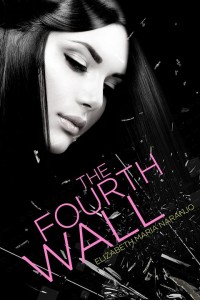
There have been other ups and downs in November. My application to teach an essay-writing workshop was denied based on a lack of formal teaching experience. My short story The Marshmallow Tree won honorable mention in a contest. I turned down, for the first time, an invitation for a reading due to an utter lack of ideas (refer to analogy of fried brain). I received two rejections on short stories, but one of those rejections came with helpful, encouraging notes. And I met my goal to finish the first round of edits on The Fourth Wall by November’s end.

In short, I’ve been living the writer’s life. I don’t know whether to laugh, or cry, or maybe just read a good book. But I think I’ll call it a month. Happy Thanksgiving, and I’ll see you in December!

Back to Basics

Image from Flickr by yiorgos georgiou

Image from Flickr by yiorgos georgiou

Last week was scary. Not because a 6-foot tall Grim Reaper jumped from the shadows of my neighbor’s porch and hissed at my children (that was actually pretty great), but because I experienced a serious case of writer’s block. And I’m under contract.

When I received my initial round of edits on The Fourth Wall, I was ecstatic. This is the part, I’d been told, that hurts the most. These are the “big picture” changes, when you have to delete major characters you’ve invested years in, when your favorite scenes are gutted, when you’re asked to rewrite an entire novel in a different point of view (my worst fear).

None of that happened. My editorial letter had lots of suggestions, but the big ones involved adding to the book. This makes sense; I do write flash fiction, after all. Everything I’ve published thus far has been short; most of it was written to a word count: 500 words, 1,000 words, 250 words. When I sent my novel off to WiDo Publishing, it was a trim 45,000 words, and even that seemed indulgent.

Wow, so I get to write more, I thought. No problem!

Here’s the problem. I wrote The Fourth Wall three years ago. Since then, I’ve tinkered with it: plugged up holes, rewritten dialogue, added depth to characters, extended scenes . . . but I couldn’t remember when I’d last added new scenes. Where would they go?

I scrolled up and down the manuscript, trying to see what could be split apart to make room for new material. I typed pages of notes. But I couldn’t see. And that worried me, because without knowing what to write and where to put what I did write, I wasn’t excited about writing at all.

I was stuck.

Time to try something else. On Sunday, I printed a hard copy of my novel, spread out the pages, and began writing notes by hand. I crossed out sentences and scribbled in margins, and soon the only difficult part was keeping up with the ideas.

Somehow, the physical act of holding paper and writing with an actual pen made me feel more in control. And it’s easier to slash through paragraphs on a page, because it doesn’t feel permanent. Yeah, you can create a new document and know your old one is intact somewhere on the computer, but it’s still hard highlighting a paragraph, hitting “delete” and watching it disappear.

Since Sunday, I’ve added 3,000 words to my novel, and more importantly, I’m excited about the new material. It feels like it did when I was writing the first draft; I’m so fully immersed in my characters’ world that I’m jotting notes in bed, at the dinner table—stealing any moment I can. I’ve been waking up at four in the morning, for God’s sake, and I’m not one to emerge from under the covers until the third snooze alarm.

This is when being a writer pays off. When you can reclaim the pure joy of creating something, when you stop and realize, “my job is making up a fictional world and filling it with make-believe people, and dammit, that’s supposed to be fun.”

And it is. In fact, I think I’ll go back to work now. You’ll overlook any typos in this post, won’t you? I’ve been up since four.

Bring It On

November Moon by Dead Air

November Moon by Dead Air

Most writers work best when pushed to the wall. The deadline is definitely our friend. Which is good, because this week I got the email I’ve been waiting for: my editor has started reading (the novel formerly know as) The Fourth Wall.

This will be the first round of a four-part editing process, and somewhere around the halfway mark, I’ll let you know my publication date. (!!!)

Knowing it would take some time to get to this point, I’d taken on a few more projects:

  • Preparing lesson plans for an essay writing class I hope to start teaching in November.
  • Accepting a surprise invitation from a renowned local artist to perform at Space 55 in November.
  • Signing up for NaNoWriMo because look! November’s almost here! Might as well commit to cranking out 50,000 words on my WIP.

Did I say I was excited to get the email about edits on my novel? I am. And it looks like I’ll be starting those edits around the beginning of . . . you guessed it. November.

Yes, I’m a bit overwhelmed. Yes, I’m smacking myself on the forehead, wondering what I’ve gotten myself into. I know you all would forgive me for skipping a few posts . . . but I’ve gotten used to posting on Fridays, and I can be stubborn. So you’ll probably still see me in your inbox each week, although the next four posts may be shorter. 😉

Wish me luck! As for you, November, all I can say is “Bring it on.”

When Writing Hurts

Image from Flickr by Mjnoon.Maha

Image from Flickr by Mjnoon.Maha

It doesn’t matter if you’re writing fiction or poetry, memoir or a diary—sometimes writing hurts.

In fiction, a good writer does more than manufacture characters—he breathes life into them, he makes their hearts beat, he hears their voices when he’s falling asleep and wakes with their thoughts and dreams. When they hurt, he hurts too. Sometimes they lead him places and all he can do is watch; other times he leads them, and often it feels like a betrayal.

I’ve grieved for characters even before I’ve written their story. I don’t believe every story should have a happy ending, but if I’m writing it’s because I believe the story should be told.

Like love, the hurt is worth it.

What about nonfiction? Journaling can be therapeutic, but when it comes to publication, it’s hard to judge the worth of your own story. If it hurts too much, you’re probably not ready to write about it. If the content is going to hurt someone else, the story had better be worth it.

I struggled with the choice to publish an essay about my emotionally difficult second pregnancy, knowing one day it could hurt my son. But when I compared that slim chance to the great possibility my essay could help other women, I chose to have it published. Factored into that decision was the lack of writing I found on my topic; it was a problem seldom discussed. It needed to be discussed. My son is strong and he knows how much I love him—he’ll understand. Maybe he’ll even think I was brave.

It was worth it.

Writing nearly always costs us something. With nonfiction, I consider that cost carefully; with fiction, I don’t consider it at all.

What about you?

800 Reasons to Submit Your Writing

Image from Flickr by Guerrilla Futures

Image from Flickr by Guerrilla Futures

The writing part is hard enough. By the time you’ve crafted your essay, poem, or short story, you’ve been through countless revisions. Triumph and frustration. You’re exhausted, but ecstatic—because you’re done. Yay!

Only, if your goal is to publish, you’re nowhere close to done.

The daunting task of researching markets has kept many fine stories buried in desk drawers and computers. Don’t let this happen to your story. There’s a good chance it can find a home in one of over 800 publications seeking work in Poets & Writers’ literary database.

No, I didn’t type an extra zero. That number is 800. Don’t believe me? Here’s the link:

http://www.pw.org/literary_magazines

Poets & Writers not only lists these publications for you but includes

  • whether they take simultaneous submissions.
  • whether they take electronic submissions.
  • what their reading periods are.
  • whether they pay.
  • which genres and subgenres they’re looking for.

Most also have a website for further information, and sometimes you can view content to see if your writing is a good fit.

I’m a big fan of P&W. I subscribe to the magazine, and of all my writerly pieces of mail, this one’s my favorite (okay, except for acceptance letters). This may be partly sentimental; the first publication to send me a “Congratulations!” letter was SLAB Literary Magazine, and guess how I discovered them? In the classifieds at the back of Poets & Writers. I still have the copy with that advert highlighted in yellow.

Another publication I highlighted was Hospital Drive, and months later I would submit a story to them called “The Distance Ratio” which they went on to publish. The bottom line is that Poets & Writers is a great resource for finding markets.

It’s also a great resource for in-depth articles and interviews, so I recommend subscribing, but you don’t have to be a subscriber to gain access to the literary database. You can follow the link above or visit the website at www.pw.org, click “Tools for Writers” and then “Lit Mags.”

As a writer, what’s more motivating than viewing a list of nearly 1,000 publications seeking your work? Go, scroll through, pick one you feel good about, and submit something. Yes, right now.

Keep hanging out with me. Type your email address in the box below (mobile) or to your right, and hit the subscribe button. 🙂

Seeing Red? How to Respond to Your Editor

First, breathe.

It’s not easy being edited. When you first view your work with an editor’s changes/comments/criticisms, there will be a moment when your heart freezes, and then it will start to burn. This is normal. Do not respond.

Throughout the day, you will compose imaginary emails and engage in silent conversations where you defend your art against the insult of Track Changes. Because obviously this editor just doesn’t get you. You meant to be evasive in paragraph two; you wanted to sound ironic in your closing phrase.

Go ahead and rant silently. Your children may stare in confusion as you mutter and burst into occasional mirthless laughter, your spouse may disappear into the bathroom. They know you’re a writer, that you’re a little strange sometimes. They’ll forgive you.

As the evening goes on, you’ll whittle down your editor’s suggestions to the ones that bothered you most; they’ll play over and over again and the thought of implementing them will make you feel like crying. Pay attention. These are the changes you have to make.

The others, the ones that don’t hurt or merely sting, will categorize themselves:

  • Confirmed—I knew that sentence didn’t feel right.
  • Enlightened—I didn’t realize this wasn’t clear, but I see the problem.
  • Embarrassed—Did I actually write that?
  • Opposed—I see what she’s saying, but this phrase is important.

It may take a few days to get to this point. Wait until you’re there. If you have to, send your editor a polite email explaining that you’re reviewing her comments and working through them. She’ll understand.

When you can think of her with gratitude (she did save you from using the word “just” three times in one page) and remember that she wants your work to be its absolute best (it is also a reflection of her, after all), then you’re ready to respond.

While you’re drafting your reply, don’t be surprised to realize that out of the dozen changes you thought you couldn’t live with, there are now only two.

And when she answers you, don’t be surprised if she says, “I can live with that.”

What’s your experience working with editors? How long do you wait to respond?

Let’s (Not) Talk About Sex

Image from Flickr by cheerfulmonk

Image from Flickr by cheerfulmonk

Last month, a magazine called Bartleby Snopes published my short story “The Dinosaur Graveyard.” It’s a partly fictional story about first love and the fleeting quality of memory, and there’s plenty of sex. So which parts are fictional?

I’m not telling.

We’re all grown ups here. Honestly, I’m not embarrassed writing about sex, because when I write I’m not thinking about publication. I’m thinking about the story, and how to stay true to it. For nonfiction, that means staying tethered to memory even as you drift far enough away to examine it from the outside. For fiction, it simply means staying true to your characters.

The moment a story is accepted for publication is when I start picturing my family reading it. And that’s not a pretty picture if the story is a sexy one. There’s my dad to think about (cringe), and my brother (thank God he’s not on Facebook).

It’s ridiculous, of course. They both know perfectly well how children are made, and that I have two. They both know the definition of fiction, and that not everything I write is based on—ahem—experience.

Still, it’s awkward, and no one addresses this in a more funny or eloquent way than Barbara Kingsolver. In a March 2000 essay for The New York Times, the famous novelist confessed that unlike her previous books, her upcoming Prodigal Summer (HarperCollins 2000) had lots of sex, and she worried how she’d be judged:

I’ve begun to think about the people who will soon be sitting in their homes, on airplanes and in subways with their hands on this book. Many people. My mother, for instance.

. . . I’ve written about every awful thing from the death of a child to the morality of political assassination, and I’ve never felt fainthearted before. What is it about describing acts of love that makes me go pale?

It’s comforting to know I’m not alone. What I’m reminded of is me as a little girl having sneezing fits in the car when George Michael came on the radio:

George Michael: I want your—
Me: Achoo! ACHOO!
My mother: Goodness! Are you okay?

I’m not a little girl anymore, but some things never change. So when I published the link on Facebook to my story, I added a warning for my family’s benefit: “Rated R for sexual content.”

I felt kind of silly doing it, but I’m only following Kingsolver’s advice. Among her suggestions on how to make peace with coition in writing is, “We must warn our mothers before the book comes out.”

Do you ever feel nervous about your family reading your work, even when it’s fiction? Share your story with me, and don’t forget to subscribe. 🙂

How to Trick Yourself into Writing

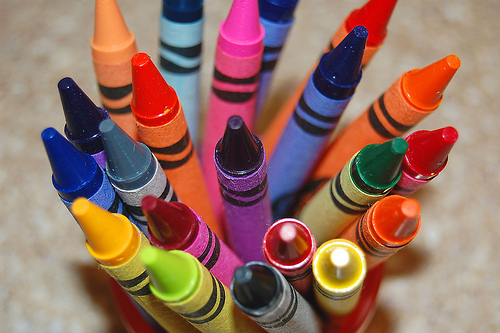
Once, when I was about five, my mother tried convincing me to color a picture so she could get some housework done. She laid out a coloring book and a handful of bright crayons sure to tempt any little girl into 30 minutes of quiet, non-disruptive activity.

But I wasn’t tempted.

Eventually, my mother gave up on her work and sat at the table. “Hmmmm,” she murmured. She slid the coloring book closer. She paged through it, fascinated, and exclaimed over something I couldn’t see. I crept closer, wondering what could be so interesting, but she shifted in her chair, blocking my view. Then she chose a crayon and began to color.

I rounded the table and sat beside her. Her hand swished across the paper as she meticulously shaded her picture with long light strokes. My pictures never looked like that. I wanted to try too. I reached for a crayon. “I’m using those,” she said without looking up. “Just go ahead and do what you were doing, honey.”

I was crushed; how badly I wanted to color! Coloring was the only thing in the world that would make me happy! I sat in anguish until she finished her picture. Then she turned to me, smiled and said, “Do you want to color one for me?”

Of course I did.

Perspective is everything. Remember Mary Poppins’ “Spoonful of Sugar”? When writing begins to feel like a chore and you’ve lost your inspiration, try turning your perspective on its head. Here are a few tricks to get you started:

Limit your writing time. If you have six hours a day to write, block off three hours. If you have four hours, block off two. Force yourself to use the rest of the time doing laundry, running errands, paying bills, etc. You’ll spend that time wishing you were writing, and realize it’s not such a chore after all.

Change your space. If you write in your home office, move your laptop to the dining room. If you write at a coffee shop, try the library. Instead of playing classical music, switch to rock and roll. Different lighting, sounds, smells—these elicit a different response and turn what was routine into something new and interesting.

Picture your favorite writer at work. My mother infused mystery and longing into the act of coloring a picture because she was doing it instead of me. I was five; anything she did was worthy and important.

Now picture a writer you admire and imagine him at his desk, typing away or scrawling outlines for his next brilliant manuscript. He has the same tools you do: a keyboard, a pencil, a stack of paper. Imagination and the need to tell stories. Embody that spirit, and start writing.